
Mix ratio math purepoxy: How to avoid under/over hardening with 2-part kits
Precise Measuring and Consistent Mixing Are the Difference Between a Perfect Cure and a Costly Rework
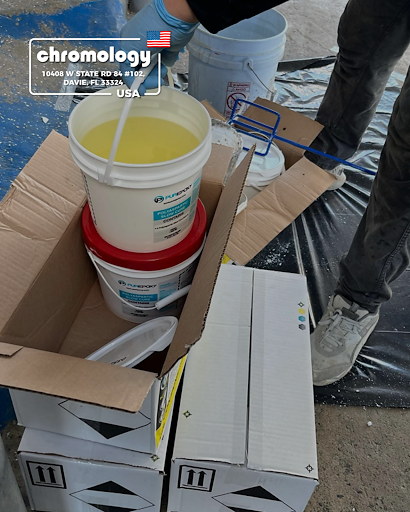
When it comes to epoxy flooring systems, long-term performance starts with one non-negotiable detail: the correct mix ratio. Even the most advanced resin chemistry can’t compensate for improper proportions. At Chromology Florida East Inc. we work closely with professional installers across South Florida who rely on Purepoxy systems for residential garages, commercial interiors, and industrial floors.
Yet one issue still shows up – even among experienced crews: incorrect mix ratios that lead to soft cures, sticky patches, or brittle failures. The good news? These problems are completely avoidable when you understand the math and follow a consistent process.
Let’s break down how to get your Purepoxy mix ratios right – every single time.
Why Mixing Ratios Matter in 2-Part Epoxy Systems
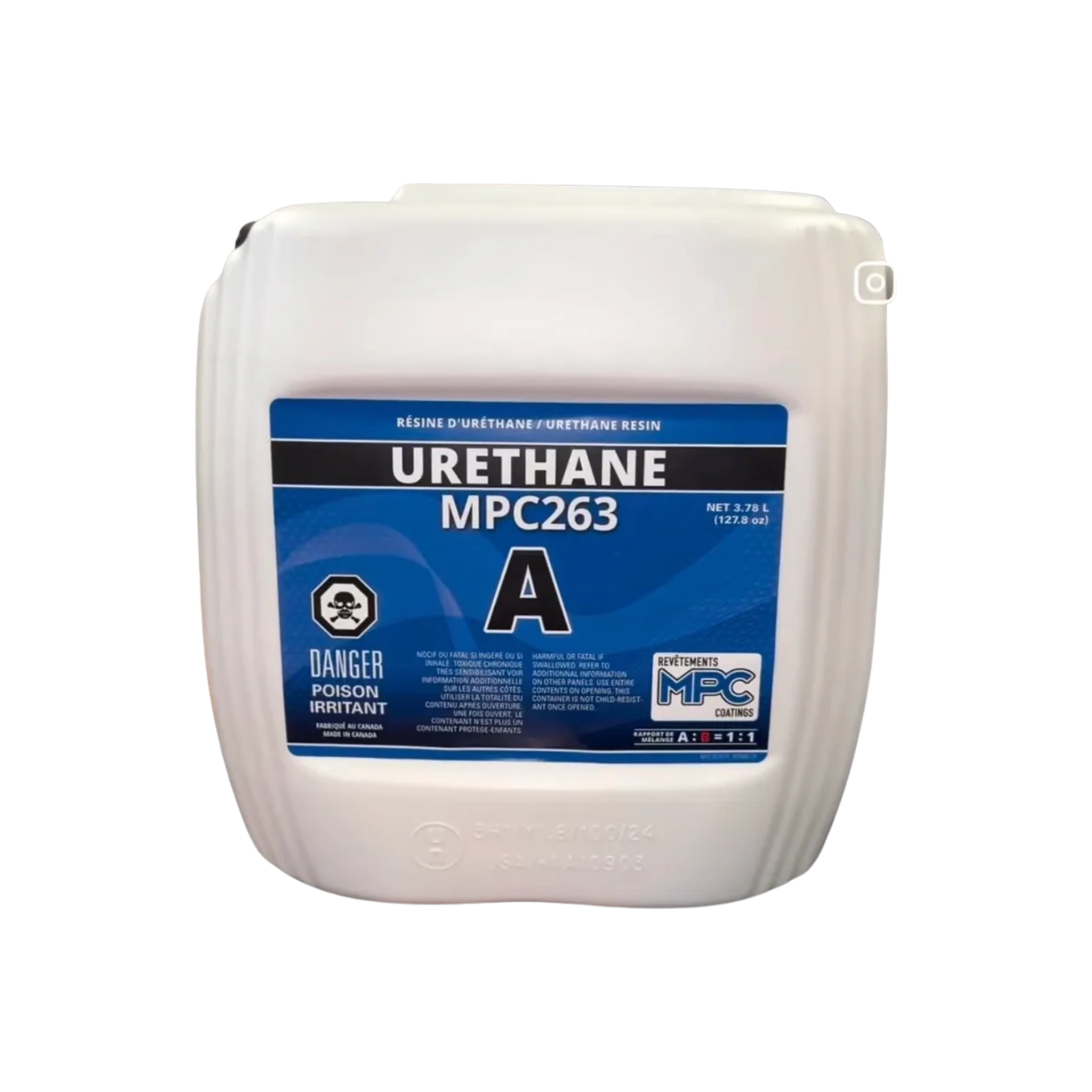
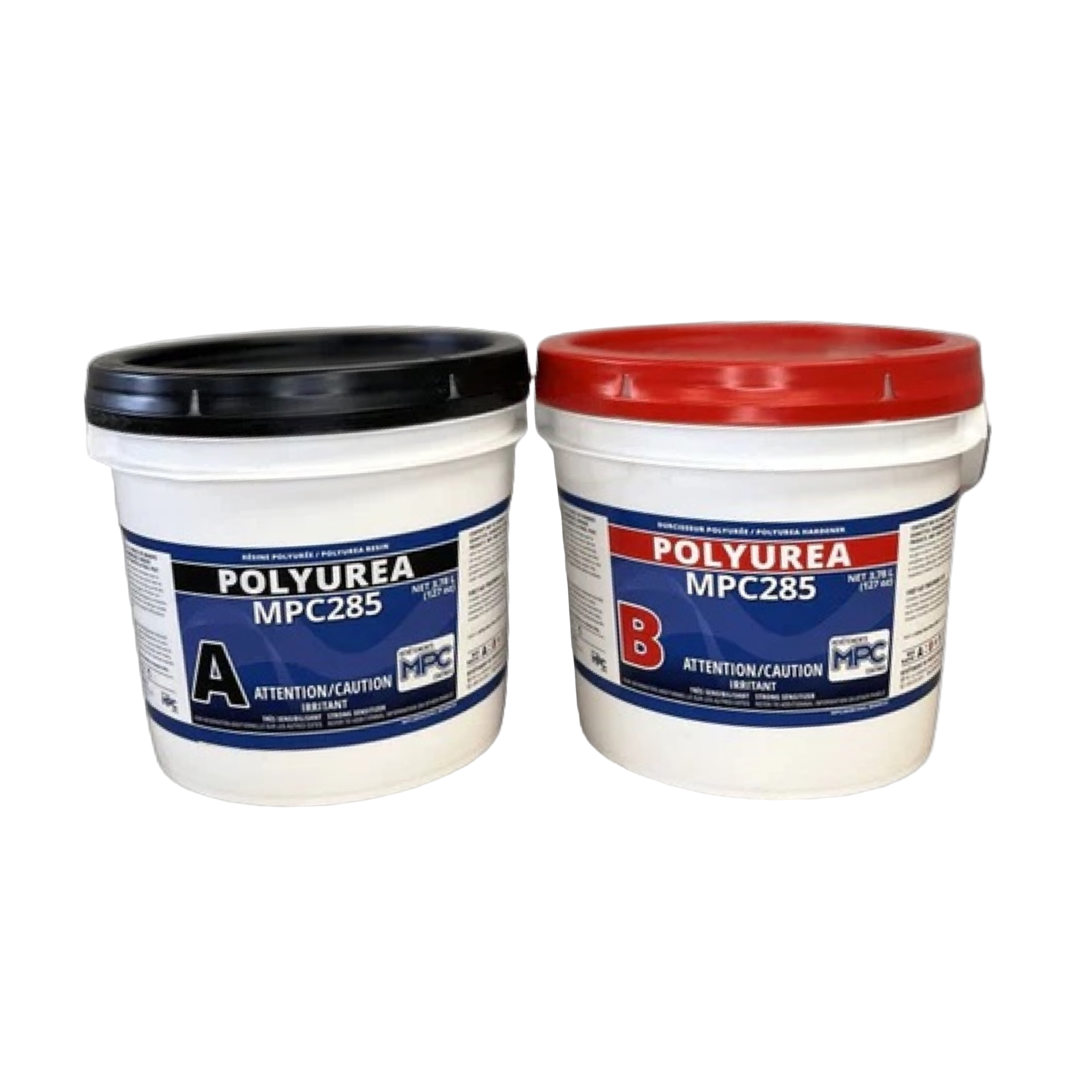
Purepoxy, like most professional-grade resin systems, uses a two-component chemistry:
- Part A – Resin
- Part B – Hardener (Activator)
These components must be combined in a precise ratio to trigger the intended chemical reaction. If that ratio is off – even slightly – the system won’t perform as designed. Common failures include:
❌ Under-hardening – soft, tacky areas that never fully cure
❌ Over-hardening – brittle coatings that react too fast and lose flexibility
❌ Inconsistent finish – glossy in some areas, dull or matte in others
❌ Bond failure or delamination over time
Correct chemistry equals predictable cure, strength, and appearance.