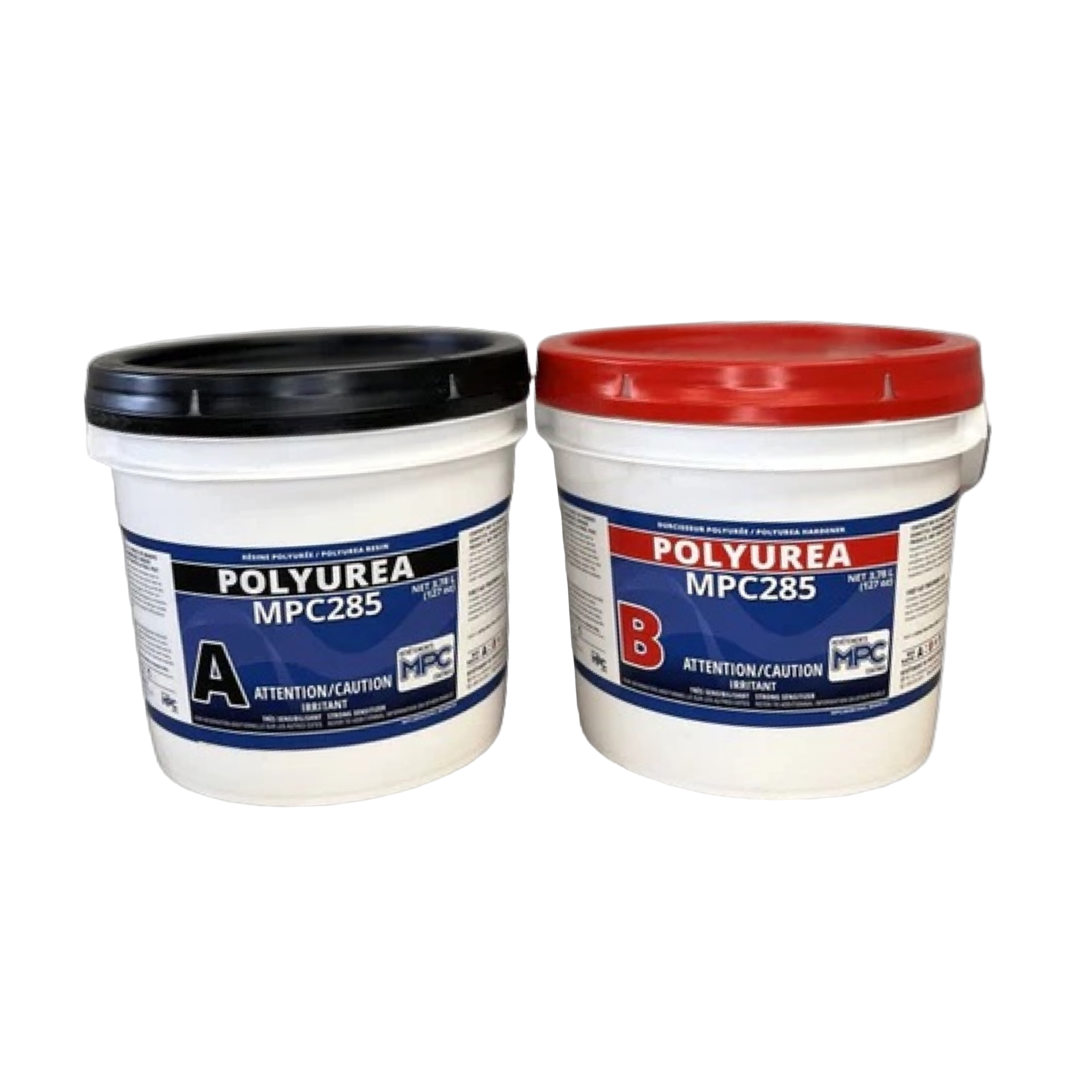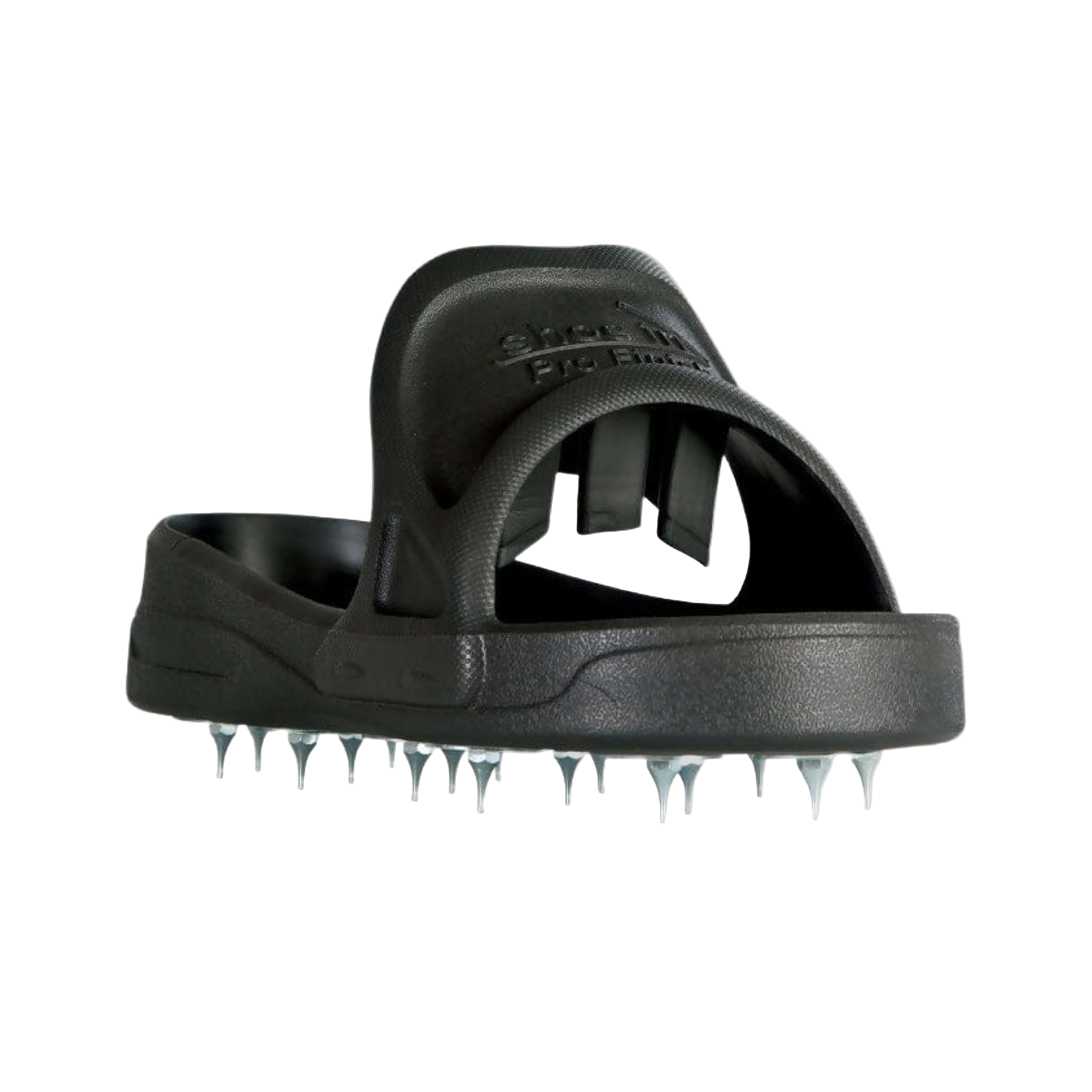

Crack Fillers – Fast-Set Epoxy or Polyurea Options
Choosing the Right Repair System Is the Key to Preventing Moisture Intrusion, Coating Failure, and Costly Callbacks
Cracks in concrete are never just cosmetic. They are direct entry points for moisture, chemicals, and contaminants, and if they’re not repaired correctly, they can undermine even the best coating system. Over time, untreated or poorly repaired cracks lead to delamination, telegraphing through the finish, and long-term performance failures. That’s why selecting the right crack filler is one of the most important decisions in concrete surface preparation.
At Chromology Florida East Inc. we work daily with epoxy installers, general contractors, and floor coating professionals across South Florida. Our role is to help you choose between fast-set epoxy crack fillers and polyurea crack fillers based on your job conditions, cure-time demands, and performance expectations.
Let’s break down both options so you can make the right call on your next project.
Why Crack Fillers Matter
Crack fillers are the first line of defense in any coating system. If cracks aren’t addressed properly during prep:
- Coatings can fail or delaminate prematurely
- Moisture can migrate beneath the system
- Cracks can expand, reflect, or reappear through the finish
- Floors can look uneven, patched, or unprofessional
Using the correct crack repair material ensures a smooth surface, long-term durability, and a finished floor that performs as intended.